
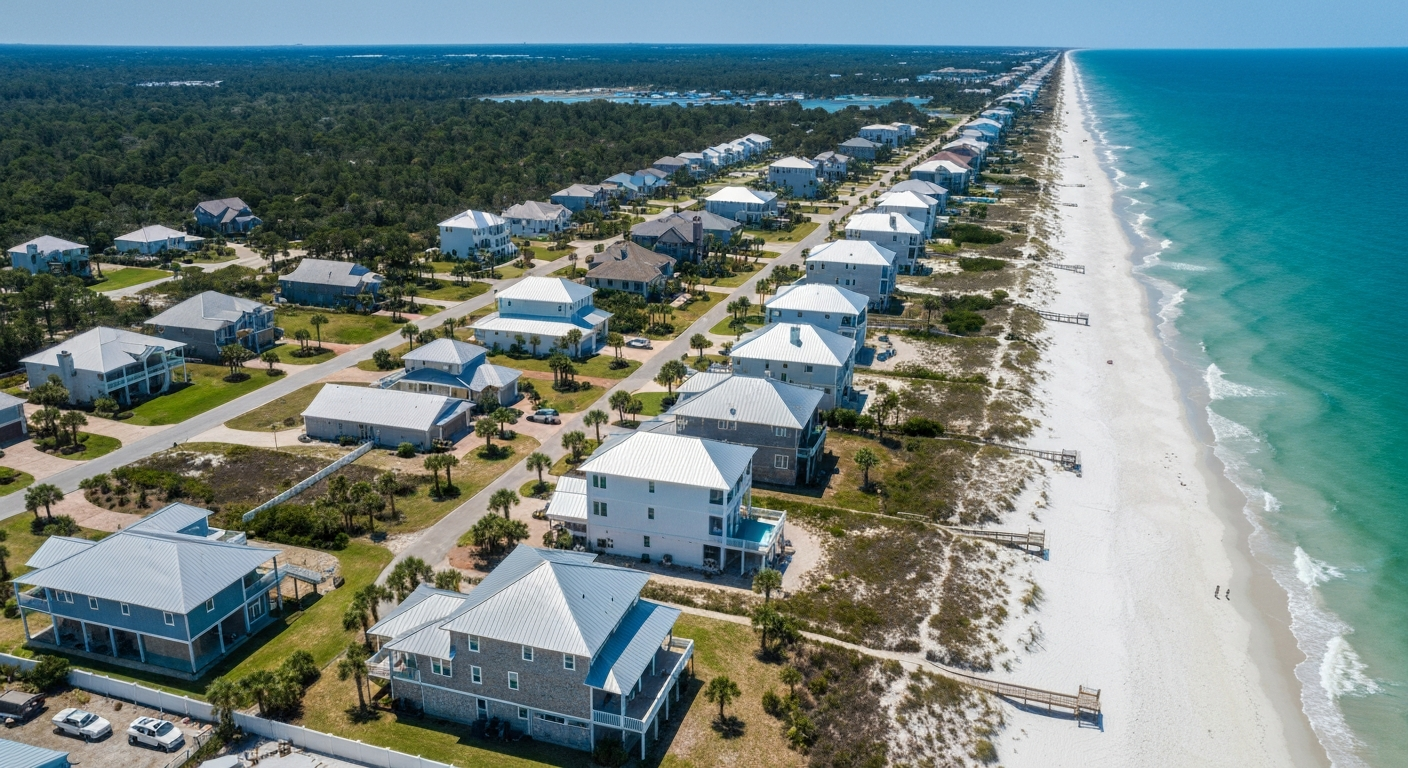
Gulf Breeze Hurricane Roof Preparation Checklist
A specific, actionable checklist for Gulf Breeze homeowners to prepare their roofs for the upcoming hurricane season.
Hurricane Season in Gulf Breeze Is Different
Living in Gulf Breeze means living with some of the most intense coastal weather conditions in the Florida Panhandle.
- Salt air.
- High humidity.
- Driving rain.
- Hurricane-force wind gusts.
- Wind-driven debris.
Even roofs that look fine from the ground can have hidden vulnerabilities that turn into major leaks during a storm.
"Most catastrophic roof failures during hurricanes start with small issues that were already there."
This guide was created specifically for homeowners in Gulf Breeze, Midway, Tiger Point, and nearby coastal communities who want to prepare before a storm is named.
Whether your roof is 3 years old or 20 years old, this checklist can help you:
- Reduce the risk of roof leaks
- Prevent wind uplift damage
- Spot weak points early
- Protect your insurance claim
- Avoid emergency repair pricing
- Increase your home’s storm resilience
1. Walk Your Property Before Storm Season Starts
Do a full exterior inspection before the first tropical system enters the Gulf.
Look For:
- • Missing shingles
- • Curled or lifted shingles
- • Exposed nails
- • Rusted flashing
- • Loose ridge caps
- • Sagging roof areas
- • Water stains under soffits
- • Overflowing gutters
- • Loose siding near rooflines
- • Tree limbs touching the roof
Coastal Gulf Breeze Warning Sign:
Homes near the water often experience accelerated corrosion from salt exposure. Metal flashing, nails, vents, and fasteners may fail faster than inland homes.
2. Check for Wind-Damaged or Loose Shingles
Strong Gulf Coast winds can break the seal on shingles long before a hurricane arrives. Once shingles lose adhesion, they become vulnerable to uplift during tropical storms.
Signs of Compromised Shingles
- Corners lifting upward
- Tabs flapping in wind
- Granule loss
- Creases or folds
- Uneven shingle lines
- Dark patches where shingles are missing granules
Important:
A roof can pass a casual visual inspection and still fail under hurricane-force wind pressure. If your roof is over 10–12 years old, an inspection before hurricane season is smart, especially in coastal neighborhoods.
3. Inspect Roof Flashing Carefully
Flashing failures are one of the most common causes of hurricane roof leaks in Northwest Florida.
Inspect Areas Around:
- • Chimneys
- • Skylights
- • Plumbing vents
- • Roof-to-wall transitions
- • Valleys
- • Dormers
- • Satellite mounts
What to Look For:
- • Rust
- • Gaps
- • Cracked sealant
- • Loose metal
- • Missing fasteners
Even small flashing gaps can allow wind-driven rain to enter the home during a storm.
4. Clean Gutters and Drainage Systems
Heavy Florida rain can overwhelm clogged gutters fast. If water cannot move off the roof properly, it can back up under shingles, rot fascia boards, damage soffits, cause interior leaks, and saturate roof decking.
Before Hurricane Season:
- Remove leaves and debris
- Flush downspouts
- Check for loose gutter sections
- Tighten brackets and fasteners
- Ensure water drains away from foundation
5. Trim Trees Around the Roof
One of the most overlooked hurricane risks in Gulf Breeze is tree damage.
Trim Back:
- Overhanging limbs
- Dead branches
- Pine trees near roof edges
- Limbs rubbing shingles
- Weak branches above driveways or power lines
Why This Matters:
Even small branches become dangerous projectiles during tropical storms. A branch does not need to puncture your roof to cause damage. Repeated impact can break shingles, crack flashing, and weaken roof systems.
6. Inspect Your Attic for Hidden Roof Problems
Your attic often reveals roof issues before the exterior does.
Go Into Your Attic During the Day and Check For:
- Water stains
- Mold or mildew
- Damp insulation
- Light coming through decking
- Soft wood
- Rusted nails
- Musty smells
Gulf Coast Humidity Tip:
High humidity can hide slow roof leaks for months before visible ceiling damage appears.
7. Secure Loose Exterior Components
During hurricanes, loose items on the exterior of your home can damage your roof.
Secure or Remove:
8. Photograph Your Roof Before Storm Season
This step is critical for insurance documentation.
Take Clear Photos Of:
- All roof slopes
- Flashing
- Gutters
- Ridge caps
- Existing damage
- HVAC penetrations
- Skylights
- Exterior elevations
Why This Matters:
If a hurricane damages your roof later, pre-storm photos help establish what damage was caused by the storm versus pre-existing wear.
Store copies:
- • In cloud storage
- • On your phone
- • On a hard drive
9. Review Your Homeowners Insurance Coverage
Many Gulf Breeze homeowners discover coverage gaps after storm damage occurs.
Review:
- • Hurricane deductibles
- • Roof age restrictions
- • Actual cash value vs replacement cost
- • Water intrusion limitations
- • Code upgrade coverage
- • Temporary repair reimbursement
- • Documentation requirements
Ask Your Insurance Agent:
- • Is my roof covered for wind damage?
- • Are there age-based exclusions?
- • Is matching coverage included?
- • What documentation helps claims move faster?
10. Schedule a Professional Roof Inspection
A professional inspection can identify vulnerabilities homeowners cannot safely see from the ground.
A Proper Inspection Should Include:
- Wind damage assessment
- Flashing evaluation
- Soft spot inspection
- Sealant inspection
- Ventilation review
- Decking concerns
- Storm-readiness evaluation
- Photo documentation
Common Roofing Problems in Gulf Breeze
Because of the coastal environment, homes in Gulf Breeze often experience:
Salt Air Corrosion
Salt accelerates deterioration of metal roofing components.
Wind Uplift Damage
Frequent coastal wind weakens shingles over time.
Moisture Intrusion
High humidity and wind-driven rain create hidden leak risks.
Improper Older Installations
Many older homes were installed under outdated wind codes.
Ventilation Problems
Poor attic airflow increases heat and moisture buildup.
Emergency Hurricane Roof Supplies Checklist
Keep these items ready before a major storm:
What To Do After a Hurricane
DO:
- Photograph all damage immediately
- Prevent further interior water intrusion
- Save receipts for emergency repairs
- Contact your insurance company quickly
- Schedule a professional inspection
DO NOT:
- Walk on a wet roof
- Pressure wash storm damage
- Sign contingency agreements immediately
- Hire unlicensed storm chasers
- Ignore minor leaks
How Often Should Gulf Breeze Roofs Be Inspected?
For homes near the coast:
- Annually minimum
- After major storms
- After hurricanes
- After hail events
- If roof is over 10 years old
- Before listing a home for sale
Gulf Breeze Hurricane Roof FAQ
How do I know if my roof is hurricane ready?
A roof should have properly sealed shingles, secure flashing, good attic ventilation, no active leaks, and updated wind-resistant installation methods.
Can a newer roof still fail during a hurricane?
Yes. Poor installation is one of the leading causes of storm roof failure.
Does homeowners insurance cover hurricane roof damage?
Usually yes, but coverage varies heavily depending on roof age, policy type, deductibles, pre-existing damage, and maintenance history.
What wind speeds damage shingles?
Damage can begin around 45–60 mph for aging shingles, 60–80 mph for moderate uplift, and 100+ mph for major failures.
Need a Professional Roof Inspection in Gulf Breeze?
True Grit Roofing provides roof inspections, storm damage assessments, roof repairs, and full roof replacements throughout the Florida Panhandle. Preparing your roof before hurricane season is one of the highest-ROI things you can do as a homeowner in coastal Florida.
Need a Professional Opinion?
Stop guessing about the condition of your roof. Get a free, comprehensive inspection with full photo documentation.