How Salt Air Impacts Roofs in Pensacola
Salt air corrosion is a silent killer of roofing systems. Learn what components fail first and how to protect your Pensacola home.
Salt Air Corrosion: The Silent Killer of Coastal Roofs
Living near the Gulf Coast in Pensacola comes with incredible views, sea breezes, and beautiful waterfront communities. But those same salty coastal winds can quietly destroy roofing systems over time.
Most homeowners think about:
- hurricanes,
- heavy rain,
- and wind damage.
Far fewer realize that salt air itself is constantly attacking their roof every single day. Salt corrosion is one of the leading causes of premature roofing deterioration along the Florida Panhandle. And the damage often starts long before homeowners notice visible leaks.
Why Salt Air Is So Hard on Roofs


Salt particles from the Gulf become airborne and travel inland through:
- coastal winds,
- humidity,
- rain,
- and sea spray.
These microscopic salt deposits settle onto roofing materials and metal components. Once moisture combines with salt, corrosion accelerates dramatically. This process never fully stops in coastal environments.
Pensacola Areas Most Affected by Salt Air
Highest Exposure
Homes closest to the water experience the highest corrosion exposure. This includes areas like:
- • Pensacola Beach
- • Gulf Breeze
- • Perdido Key
- • Navarre
Inland Exposure
Salt air can travel surprisingly far inland depending on wind patterns, elevation, and storm activity. Even homes in:
- • Pensacola
- • Milton
- • Pace
may still experience accelerated corrosion compared to non-coastal regions.
What Roof Components Fail First From Salt Air?
Many homeowners assume shingles fail first. In reality, metal roofing components are often the first to deteriorate.
1. Flashing


Flashing protects vulnerable roof transitions such as chimneys, valleys, vents, skylights, and roof-to-wall connections.
When flashing corrodes, gaps form, water intrusion begins, and leaks develop quickly.
Important: Most roof leaks begin around flashing — not in the middle of the shingles.
2. Fasteners & Nails
Salt air aggressively attacks exposed screws, roofing nails, metal fasteners, and brackets.
Over time, fasteners rust, weaken, loosen, and fail. This can reduce wind resistance dramatically during hurricanes.
3. Metal Roof Panels
Not all metal roofing systems are equally resistant. Inferior metals or coatings may oxidize, discolor, pit, or rust prematurely.
Especially common with low-grade exposed fastener systems, untreated steel, or improperly coated panels.
4. Vents & Penetrations
Metal vents and penetrations often corrode faster than surrounding materials.
Common issues include cracked vent collars, rusted exhaust vents, deteriorated pipe boots, and failed seals.
5. Gutters & Drip Edge


Salt air also impacts gutters, drip edge systems, fascia metal, and downspouts. Once corrosion starts, water management problems often follow.
How Salt Air Affects Different Roofing Materials
Architectural Shingles
Asphalt shingles themselves do not “rust,” but surrounding components do. Salt air can still contribute to faster aging, granule loss, adhesive breakdown, and moisture retention.
Metal Roofing
Metal roofing performs extremely well on the Gulf Coast when the correct system is used.
Best Coastal Options:
- • aluminum roofing
- • high-quality galvalume
- • premium coating systems
- • standing seam systems
Poor Coastal Choices:
- • cheap exposed fastener systems
- • untreated steel
- • improperly coated panels
Tile Roofing
Tile roofing resists salt air very well. However, the fasteners and flashing underneath still matter enormously.
Synthetic Roofing
Many synthetic products resist salt damage better than traditional materials. But installation quality remains critical.
Signs Salt Air May Be Damaging Your Roof
Watch For:
- Rust streaks
- Corroded flashing
- Loose fasteners
- Oxidized metal
- Bubbling paint near rooflines
- Leaks around penetrations
- Rusted gutters
- Discolored metal roofing
- Loose ridge vents
- Premature metal deterioration
How to Protect Your Roof From Salt Air Corrosion
1. Choose Coastal-Rated Materials


This is one of the most important decisions. Look for aluminum systems, marine-grade coatings, stainless hardware, and coastal-rated accessories.
2. Use High-Quality Flashing
Cheap flashing often fails first. Premium flashing systems last longer, resist corrosion, and reduce leak risk.
3. Regular Inspections
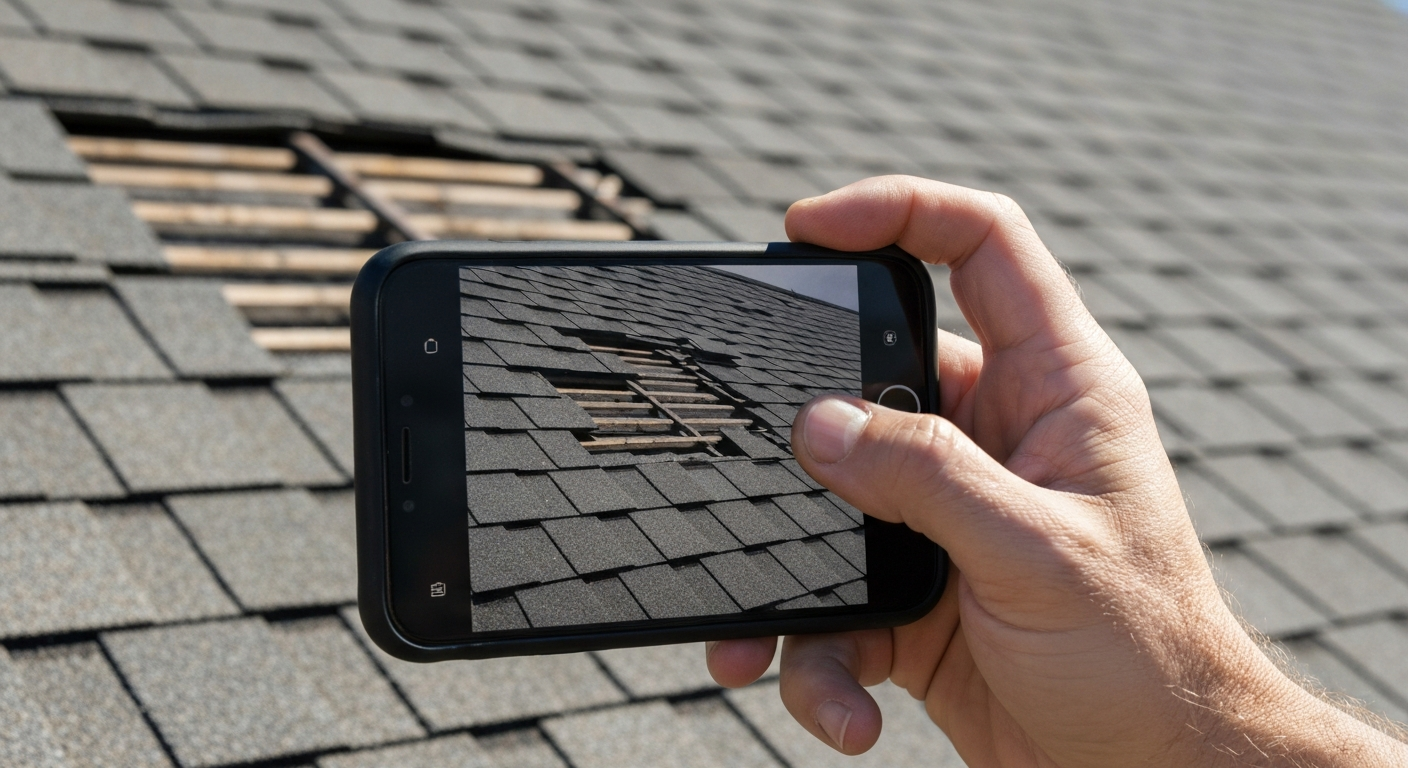
Coastal roofs should ideally be inspected annually, after hurricanes, and after major storms. Small corrosion problems become expensive quickly.
4. Keep Roofs Clean
Salt buildup combined with organic debris traps moisture. Periodic professional cleaning helps reduce algae and corrosion. Avoid aggressive pressure washing.
5. Address Minor Rust Early
Small corrosion areas can often be repaired before major system failure occurs. Ignoring early rust almost always increases repair costs later.
Why Coastal Installation Quality Matters So Much
Even premium roofing materials can fail prematurely if:
- • incorrect fasteners are used
- • flashing is improperly installed
- • ventilation is poor
- • or seal systems are inadequate.
Coastal roofing requires specialized materials, high-wind installation methods, and Gulf Coast experience.
Salt Air Roofing FAQ
How far inland does salt air affect roofs?
Salt exposure is strongest near the coast, but airborne salt can travel miles inland depending on storms, humidity, and wind conditions.
Is metal roofing bad near the ocean?
Not at all — when the correct system is installed. Standing seam aluminum roofing is actually one of the best coastal roofing systems available.
What roofing material lasts longest near the coast?
Generally: 1. Standing seam aluminum roofing, 2. Tile roofing, 3. High-quality architectural shingles, when properly installed.
Need a Coastal Roof Inspection in Pensacola?
True Grit Roofing helps homeowners throughout Northwest Florida protect their homes from salt air corrosion, hurricane damage, roof leaks, and coastal weather deterioration.
Need a Professional Opinion?
Stop guessing about the condition of your roof. Get a free, comprehensive inspection with full photo documentation.